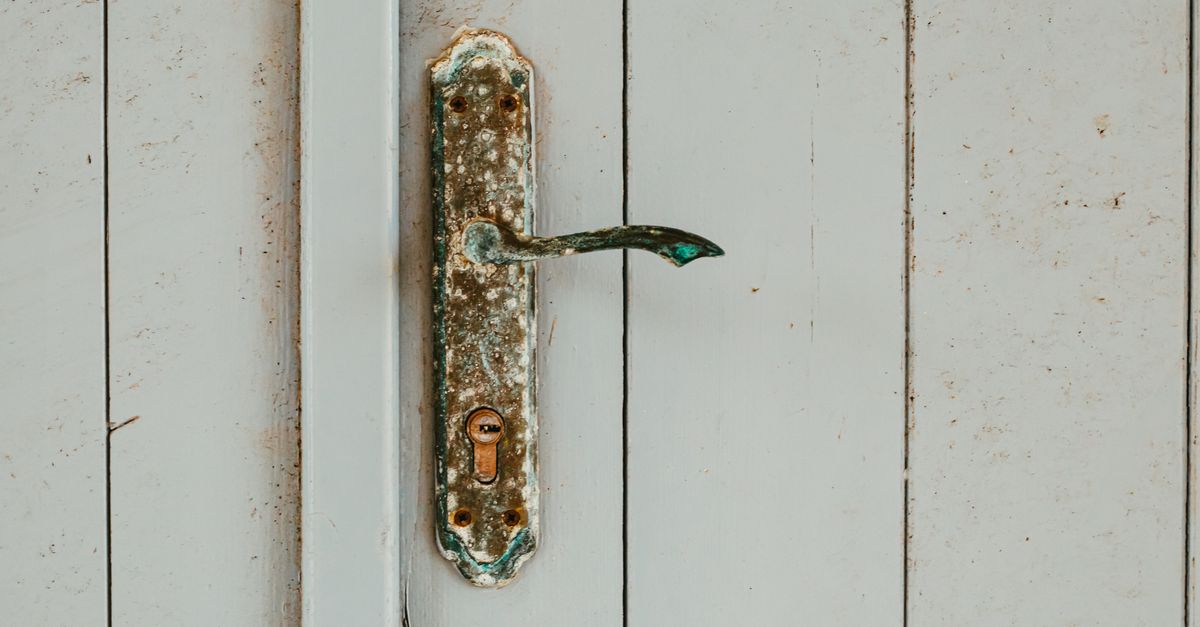
What Is a Mortise Lock and Why Does It Show Up So Often in Older Milford Homes?
A mortise lock is a complete locking mechanism — latch bolt, deadbolt, strike plate interface, and sometimes a knob or lever spindle — all housed inside a single rectangular steel case that sits inside a cavity (the 'mortise') cut into the edge of the door. That design makes the lock body itself invisible from the outside and gives it far more structural strength than a standard bored cylindrical lock, because the mechanism is surrounded by solid wood on every side. Manufacturers like Corbin Russwin and Baldwin built these units to exacting tolerances, and a well-maintained Corbin Russwin mortise lock from the 1950s can still function reliably today. The tradeoff is complexity: more moving parts mean more things that can eventually wear, corrode, or break.
In Milford's older residential stock — particularly the late-19th and early-20th century homes along Washington Street and the surrounding historic district — mortise locks were essentially the only option builders had for a quality exterior door. Many homeowners have held onto this hardware for sentimental and practical reasons, and rightly so. When the mechanism does fail, the solution is targeted repair rather than tearing out the door stave and switching to a modern cylindrical format, which would require extensive woodworking and often compromise the door's integrity.